Rocky Patel , g&t and a 70 degree spring Sunday evening …
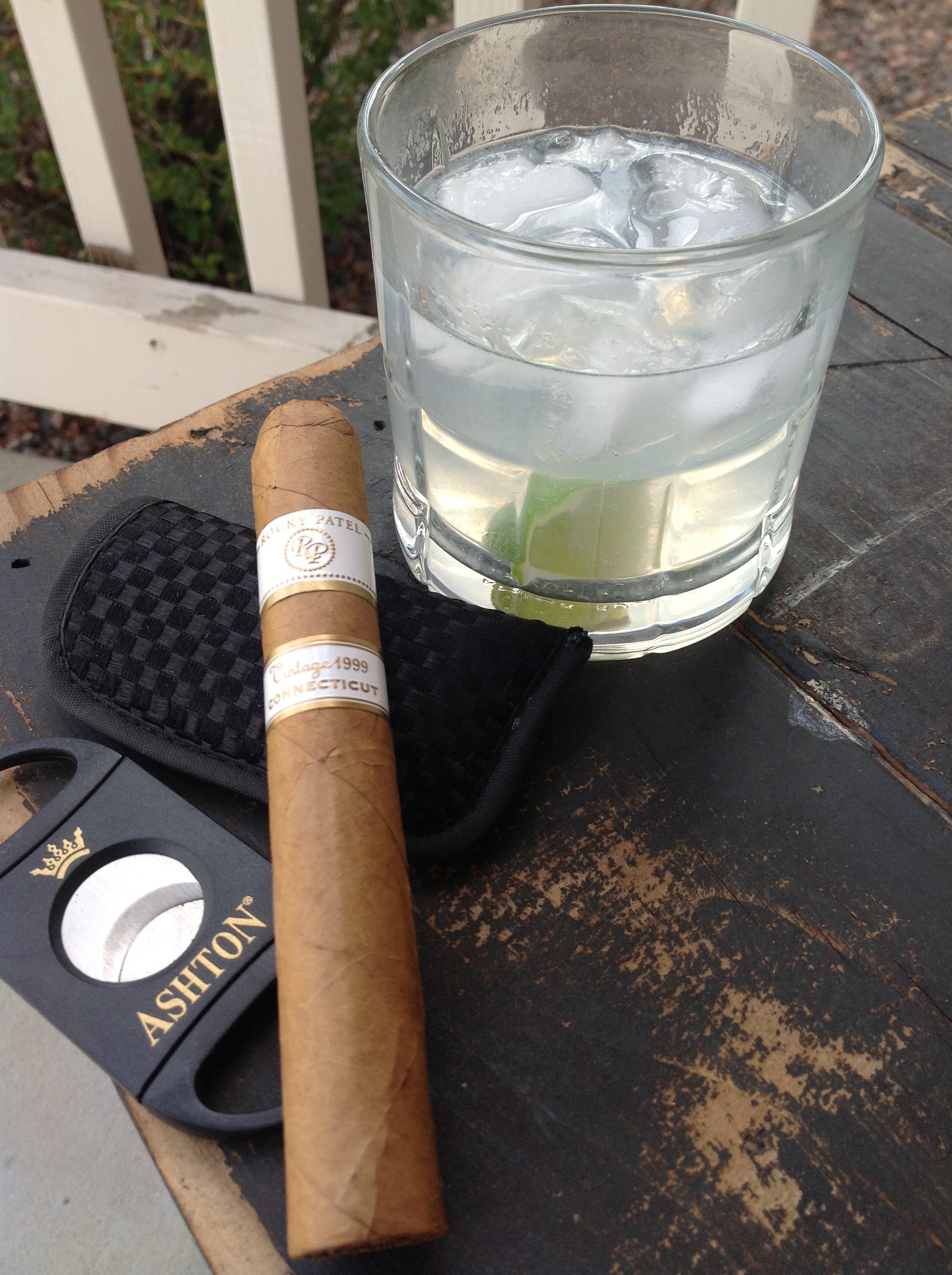
Rocky Patel , g&t and a 70 degree spring Sunday evening …
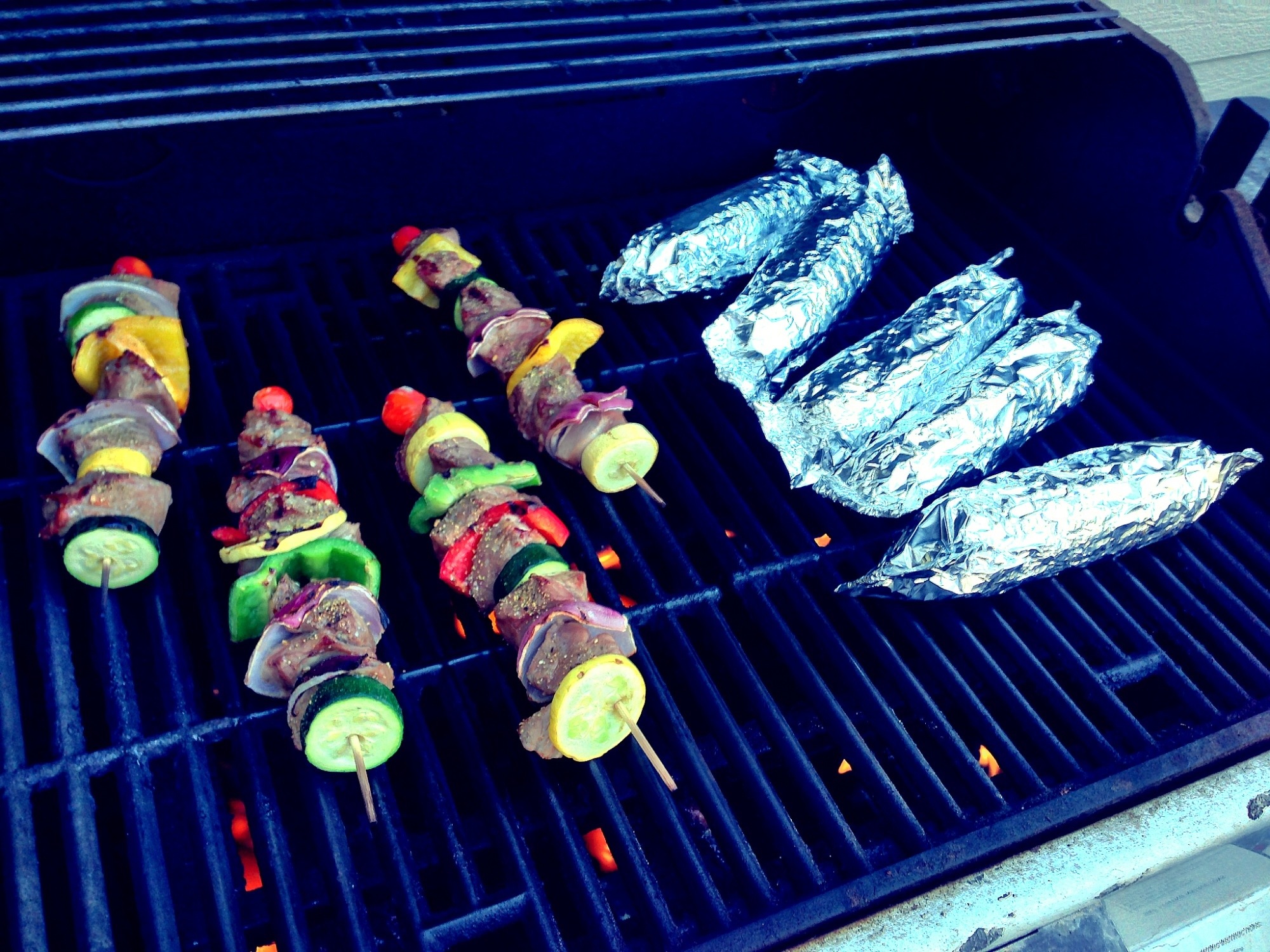 nothing fancy today – just spring in Colorado

Worship with your conscience,
Receive grace with humility.
Guide with awareness,
Lead with modesty.
The altar is a tool. If we kneel before it and say we have done wrong, we are really telling that to ourselves. If we give thanks for our good fortune, we are expressing our modest appreciation for good luck. There is no outside force listening to us. There is no divine retribution for our wickedness. The altar is merely symbolic. Those who follow Tao use it to focus their self-awareness.
When we step away from the altar, we should not lose self-awareness. We should not take the fact that worship is symbolic to behave in immoral ways. Instead, we still have to act with a conscience and lead others without manipulating them or taking advantage of them.
It takes maturity to grasp that there are no gods and yet still behave as if there were. It takes insight to know that you must be your own disciplinarian. Only the wisest can lay down their own “divine laws” and find guidance as if they were truly heaven’s word.
this week on my iPhone …
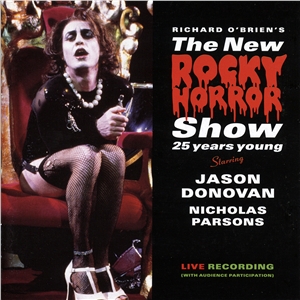
i wanted a little fun this week , so I went with a new “classic” ( and one of the better recordings of this show )
The New Rocky Horror Show – 25 Years Young :

Peacock iridescence in veridical shadows,
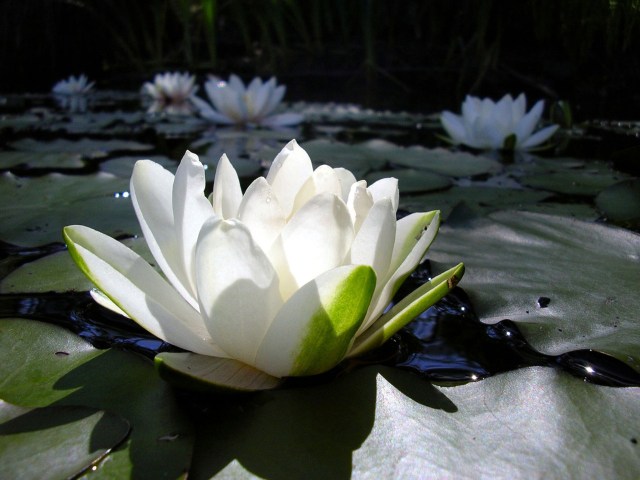
Violet blooms spread to noonday sun.
The world’s beauty is a swirl of color,
But in the flower’s center is bright stillness.
This world is movement. Its nature is constant change, infinite variation. Without infinite variation, there would be stasis, for we would reach limits. But all limits are actually arbitrary. Life is one endless equation of darkness, brilliance, color, sound, fragrance, and sensation.
The peacock attracts his mate through his plumage; the flower attracts the bee with its color and fragrance. Beauty is moved to madness, is urged toward more beauty, is lost in the dance of seduction. We hover around the petals of the flower, drunk in the thrill of color. Enthralled with the fragrance of some haunting perfume, we are moved to act, to touch, to fill our shallow vessels with the fullness of promised joy.
Yet in the center of the flower, all is stillness. When the dance of beauty is finished, culmination is at hand. In life, attractions are endless. We should do no more than we need to satisfy ourselves. To plunge further is foolhardy. We must remember to withdraw and look within. Lingering on the outside of our souls, there is shimmering beauty and fantastic movement. It is only when we go to the center of our souls that we are in the eye of the storm, the still-point of existence. Then all is brightness, energy condensed, unbearably strong and powerful, yet absorbed in supreme quietude.
Depeche Mode – People Are People
Accomplish your visions.
Persevere in your ambitions.
Only then can you negate
Visions and ambitions.
Some say that one should not have ambitions; they equate these with greed and lust. However, some ambitions are the result of curiosity and inner desire. They are individual interests, like wanting to know about a certain subject or wanting to achieve goals. As long as they do no harm to others, they should be exercised rather than suppressed.
Many young people are held back by their peers and their elders. Sometimes there are valid reasons, but usually the motivations of the others are colored by fear, ignorance, jealousy, or inadequacy. No one should hold you back from achieving your life’s goals.
Whatever you want to do, do it to the fullest. There are just a few provisions. First, you must realize that nothing is forever. You may achieve your goals only to find out that they are no longer important to you. This is all right. That means you have come to the end of your interest and are now free to go on to something else. Secondly, your ambitions should not determine your life. You are a human being first, and your goals are merely adjuncts to your basic quest as a person. Finally, you should realize that the fulfillment of your goals should include the eradication of all fears. Once you have accomplished these things, you will truly have nothing standing between you and spiritual realization.

Sun shines in the center of the sky.
All things turn their faces toward the light.
All things in this life depend on direction. In our world, all is oriented toward the sun : The planets revolve around it, the seasons depend upon it, and our very concept of night and day is tied to the sun’s rising and setting. The sun is the dominant element in our lives.
In all other areas of our actions, we cannot avoid making arrangements that have a center or orientation. Our lives require composition, just as the solar system has a relationship and structure. Yet all structure and orientation is essentially arbitrary. We take the sun as the center of our world because of our vantage point. To someone standing in another galaxy, our sun is nothing more than another point in limitless space. There is no absolute standard by which to truly call something the center. Therefore, all arrangements and all compositions, all determinations of a dominant element are relative, subjective, and provisional.
There is no center except for that in our own consciousness. When we look at the sun and the arrangement of the planets, we must also include ourselves as observers. How else is there the determination of what is being seen? Consciousness is part of the phenomenon. We are the center, and there is no absolute measure.
currently :
Anno Dracula by Kim Newman
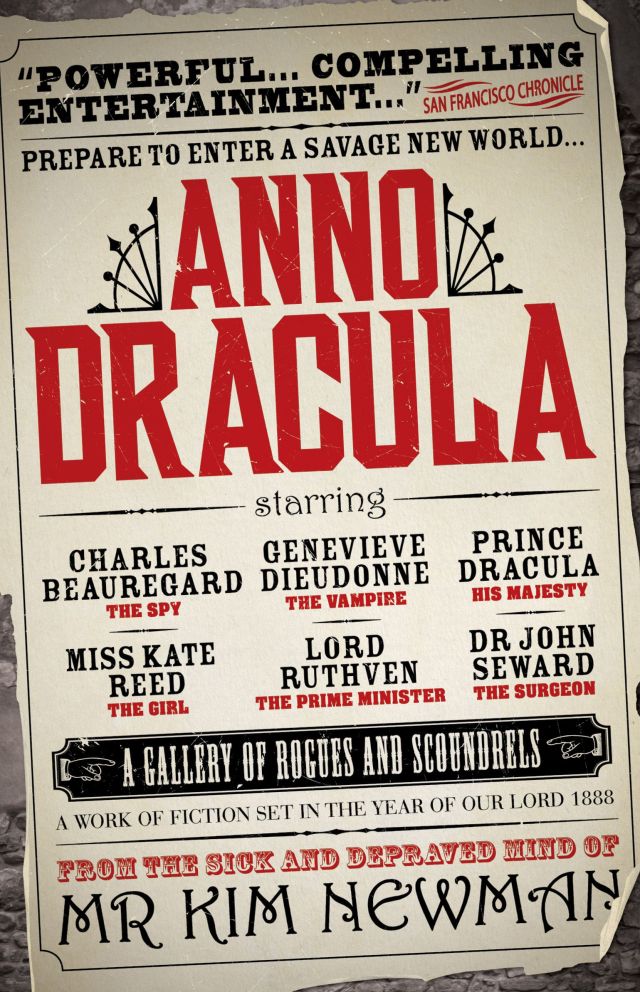
I have to confess a love for fiction and this has been on my to-read list for a while. I also get a kick out of “what if” stories and this 1992 novel is a doozie !
Not really steampunk, but giving off a great steampunk-ish vibe, three quarters of the fun of Anno Dracula is picking out the literary references. You have characters from Conan-Doyle bumping into characters from Stoker running into characters from Wells who are friends with characters from Wilde who team up with real life people in Victorian London to solve the Jack the Ripper murders; all under the conceit that Van Helsing didn’t succeed at the end of the Dracula story and now vampires co-mingle with humans and are slowly taking over …..
a really fun read –
Blog for poet and singer-songwriter Malcolm Guite
Just Bob talking about his pipes and cigars
Our mission is to educate and spread awareness about puppy mills.
Cartoons by John Atkinson. ©John Atkinson, Wrong Hands
Entertainment news, film reviews, awards, film festivals, box office, entertainment industry conferences
Funny Blogs With A Hint Of Personal Development
~ in vino veritas ~
Memoirs of an Imperfect Soul
A humorous website of assorted madness
Travel & Life
photos in and around, here and there
Movies and TV and books, oh my!
The Modern Art of Muay Ski-Jitsu...