
Enter the cavern with its
Walls of tangled strands.
Find the living flame
That burns on blood.
The brain is a physical object that generates mental energy. It is a tangle of strands, an unknowable, dense web. It is a mass of emotions, memories, instincts, reactions, and thoughts. Whatever comes into its scope of awareness is channeled through its dark core. Energy sparks through at speeds faster than lightning, but still, there are many areas that lie dormant, unused, nearly petrified with age.
With the proper methods, we can enter into the center of the brain. Metaphorically speaking, this area is like a cavern with a subterranean river running through it. That river can be kindled with a spiritual spark, and the whole river can be set aflame. This illumination is spiritual energy. It can be used to rejuvenate the brain and to supplement the limitations of our normal mental abilities.
Methods that deal with the mind only as a brain will always be limited. Coping with life only through physical faculties will always fall short of the ultimate answers. Only through lighting a living fire within ourselves can we dance quickly and spontaneously enough to meet the rhythm of life.

Desert: visions.
Tropics: possession.
Forests: alchemy.
Mountains: asceticism.
Throughout the world, the site where people practiced spirituality has been significant. In the deserts of the Middle East, holy people had visions. In the tropics, sorcerers used spirit possession. In the forests of Europe and Asia, alchemists perfected their arts. In the Himalayas, sages hid themselves away for ascetic practices. Of course, these were not the only places for such arts, but it is more than coincidental that certain practices are tied to the place. If you go to any of these lands, you can still feel the essence that inspired generations.
Thus it is that you should be sensitive to where you situate yourself in the world. Selecting a spiritual site requires subtlety. If you do not know the science of geomancy, it is better to go to a place known to be conducive to what you want to achieve. Then narrow your choice by what you see and feel. If you sense that there is great well-being, that the plants and animals of the area are healthy, that the place is not subject to extremes of weather that would adversely affect your health, then that is the place for you. When you move there, you will be sustained.
No site is forever. If you find that the flow of energy has gone elsewhere or that others begin to ruin an area, then search for a new place of vitality. That is why those who follow Tao seldom have fixed homes. They wander from site to site so as to constantly remain in the stream of Tao.
Those who attain the middle
Dominate the whole.
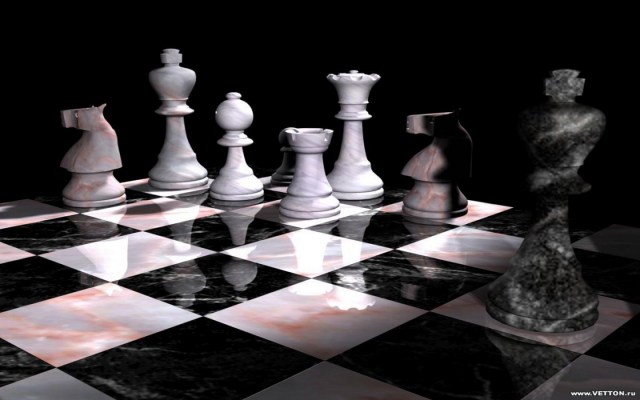
Today is the 183rd day. It is exactly the middle day out of 365. Once you reach the center of anything, you can dominate the whole in any way you please. In chess, those who gain the middle board are usually in the superior position. In a storm, those who reach the eye are safe. In making decisions, those who cleave to the center are wise.
There are 182 days on either side of today to make a year. There is no center day in an even-numbered period. It is the odd-numbered set that has a center. It is the odd numbered set that is dynamic.
In all areas of life, it is good to establish goals and parameters. Define the scope of anything that you do. That way, you will know when you have reached the center and perseverance will be easier.
to all my Canadian friends –


If the boulders are moved,
Even a river will change its flow.
Except for occasional flooding, the mightiest river keeps to its bed. It flows where it finds openings between cliffs and rocks. If the river is dammed, if the cliff walls are moved, if the boulders are shifted, it will flow a different course. It could even be made to flow backwards if the earth moved far enough.
So it is with the flow of our lives. Once the fixed objects of our lives shift, our circumstances change. If we move to another city, life will change. If we marry one person over another, life will be different. If we situate our business in a good neighborhood, life will be prosperous. If we choose a house in a good setting, life will be healthy. If we arrange our furniture properly, life will be comfortable. If we eat correctly, life will be prolonged. In short, followers of Tao realize that the flow of life can be affected and to some degree consciously manipulated simply by altering its parameters.
Life is the flow of energy. It is the air that we breathe, the force that moves the weather, the force of all minds combined. It keeps the rivers flowing, our hearts beating, and the sky blue. This flow of energy moves constantly according to the fixed points that exist at any given moment. Therefore, by manipulating the cardinal points of our lives, we can change the flow. The freedom to choose and to change belongs to us.
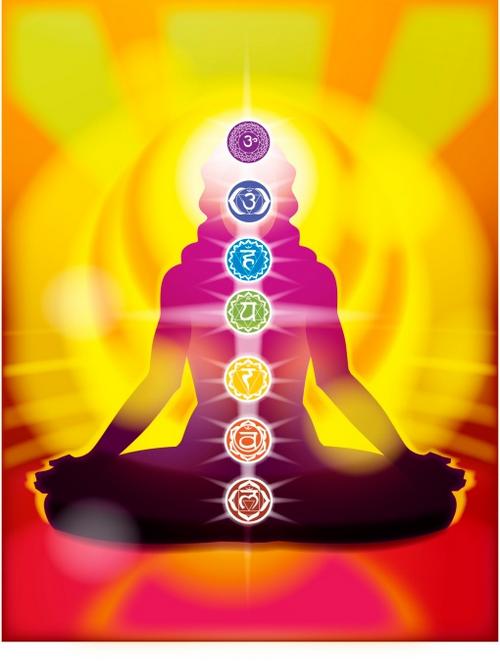
The mind is in spinning wheels at the
Navel, heart, throat, head.
The connecting shaft is emptiness.
Without an unobstructed route,
Energy cannot flow.
People search for the sacred and are told it is within themselves. It is sometimes difficult to see how literally the sages mean that. They see the mind as existing in other areas of the body in addition to the brain. These centers, nominally functional in the average person, are called chakras or wheels by those who follow Tao. Through meditation, one becomes acquainted with each of them and learns how to release power so profound that one is literally divine.
The concept of void is central to many philosophies including that of Tao. However, it seems so abstract at times. Here void has a functional role. The pathway connecting the energy centers of the mind is like a long shaft beginning from the perineum and ending at the top of the head. If not for emptiness, or hollowness of this shaft, the sacred energy of the body could not be conducted.
All the diversity of our lives is merely a manifestation of our minds, expressed through the turning of the various wheels within ourselves. The more they turn, the more complex circumstances and thinking become. However, if we want simplicity and tranquility, we need only go to the center of the spinning mind where it is empty and still. Thus it is said that diversity comes from the revolving of the wheels and origins come from the central void.
Blog for poet and singer-songwriter Malcolm Guite
Just Bob talking about his pipes and cigars
Our mission is to educate and spread awareness about puppy mills.
Cartoons by John Atkinson. ©John Atkinson, Wrong Hands
Entertainment news, film reviews, awards, film festivals, box office, entertainment industry conferences
Funny Blogs With A Hint Of Personal Development
~ in vino veritas ~
Memoirs of an Imperfect Soul
A humorous website of assorted madness
Travel & Life
photos in and around, here and there
Movies and TV and books, oh my!
The Modern Art of Muay Ski-Jitsu...